Septic Tank Pumping in Northeast Alabama | Residential & Commercial Septic Service
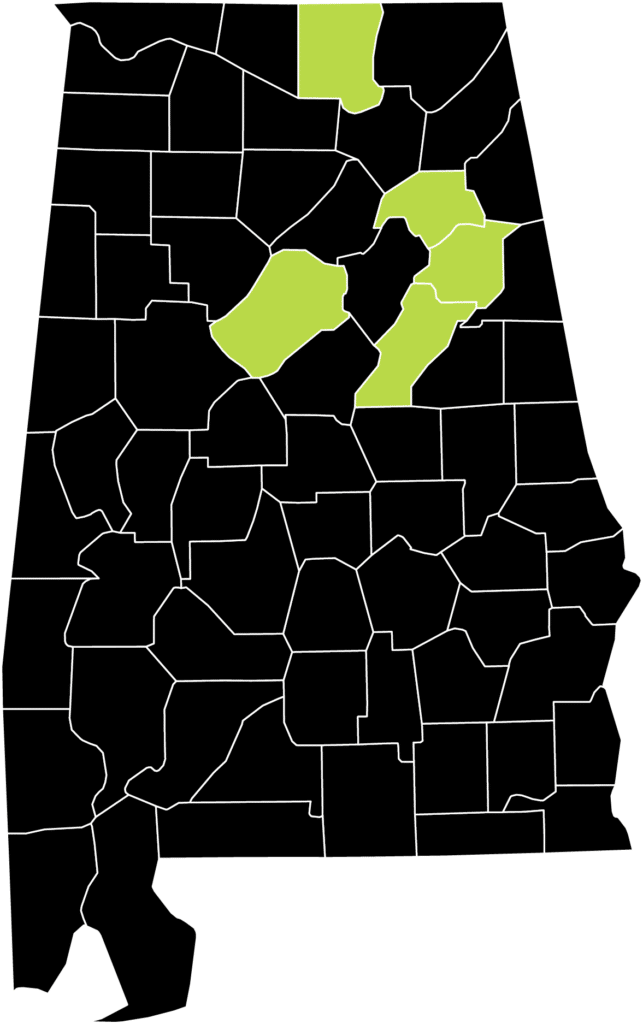
McMichael Waste Services provides professional residential and commercial septic tank pumping services throughout Northeast Alabama, including Gadsden, Huntsville, Birmingham, and surrounding communities.
Homeowners searching for septic tank pumping near me can rely on our experienced local team for prompt, dependable service across Northeast Alabama.
Septic tank pumping is an essential part of maintaining a properly functioning septic system. Over time, solid waste and sludge accumulate in the tank and must be removed to prevent clogs, backups, and potential system failure.
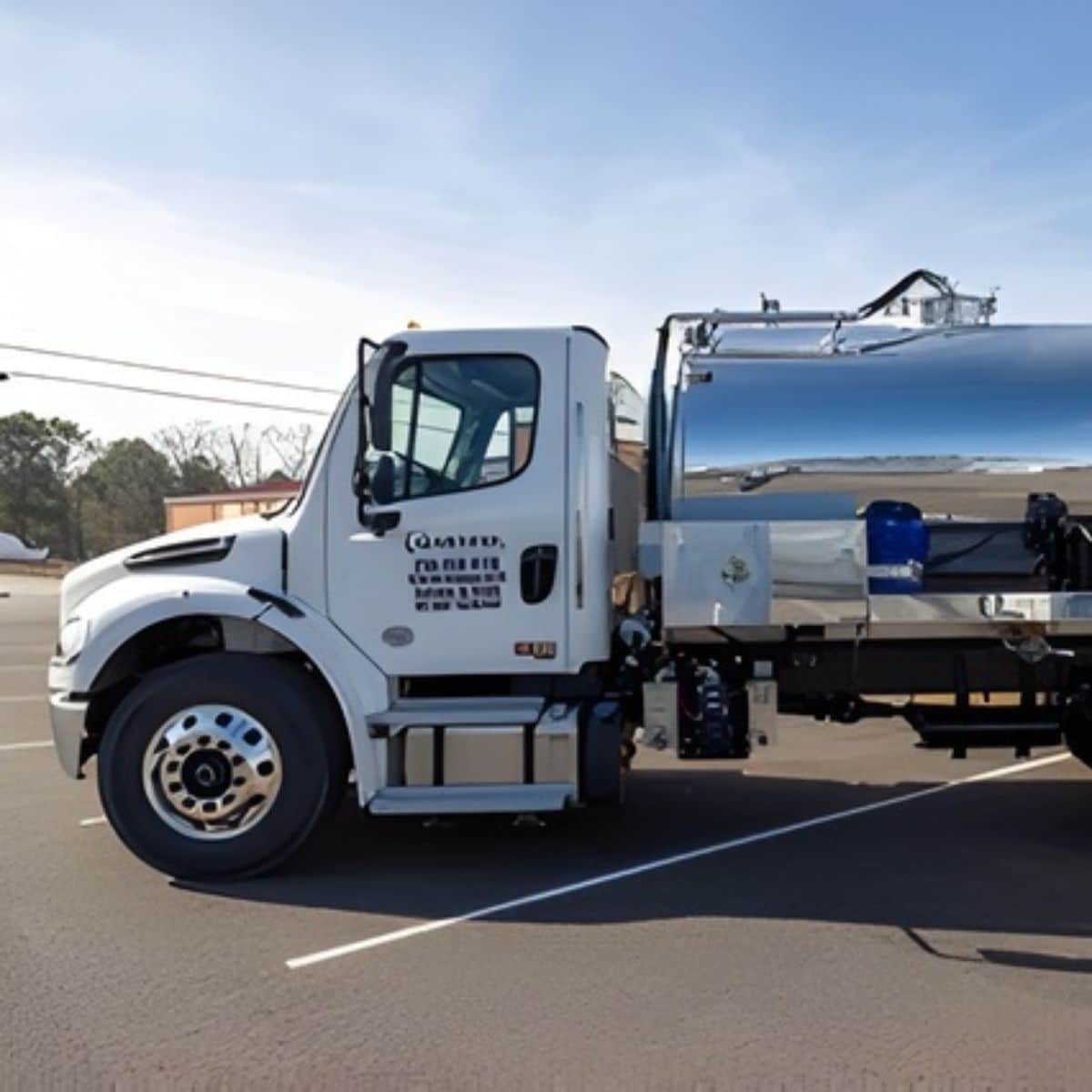
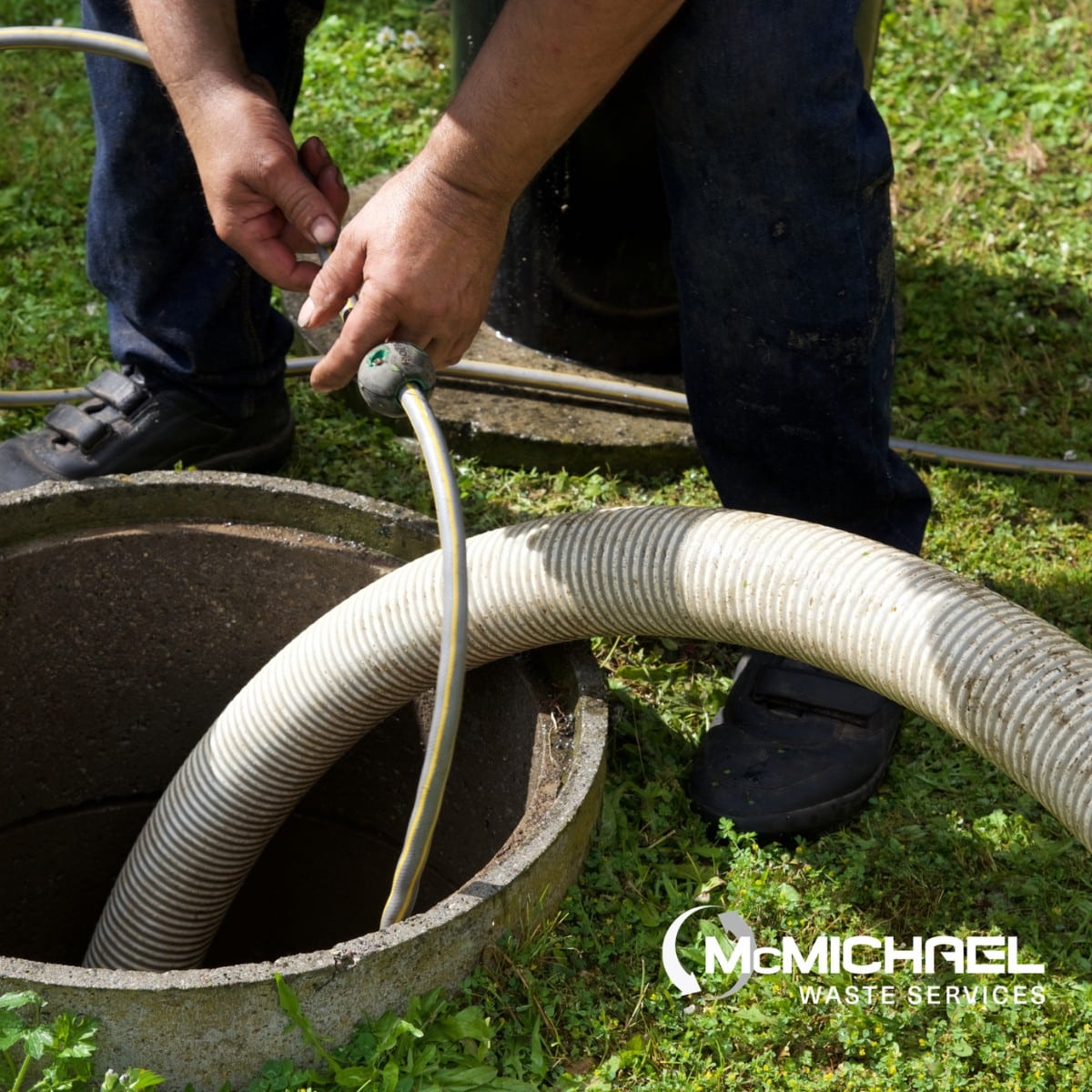
McMichael Waste Services provides professional septic pumping services for both residential and commercial properties across Northeast Alabama. Our experienced technicians use specialized equipment to safely remove waste from septic tanks and help keep systems operating efficiently.
Routine septic pumping helps extend the life of your system, prevent costly repairs, and maintain proper wastewater treatment on your property.
Residential Septic Tank Pumping
Residential septic systems require regular maintenance to ensure wastewater flows properly from your home into the septic tank and drain field.
If a septic tank becomes too full, solids can enter the drain field and cause significant damage to the system. Routine pumping removes built-up sludge and helps maintain proper operation.
McMichael Waste Services provides dependable residential septic pumping services for homeowners throughout Northeast Alabama. Our team works efficiently and carefully to minimize disruption while ensuring your septic system continues operating safely.
Signs You Need Septic Pumping
There are several warning signs that a septic tank may need to be pumped. Common signs include:
Slow draining sinks, tubs, or toilets
Gurgling sounds in plumbing
Sewage odors near drains or outside near the septic tank
Wet or soggy areas above the drain field
Sewage backups inside the home
If you notice any of these symptoms, it is important to schedule septic pumping as soon as possible to prevent further damage to the system.
Most residential septic tanks should be pumped every 3 to 5 years depending on household size and water usage.
Larger households or homes with higher water usage may require more frequent pumping. Regular septic maintenance helps prevent blockages, protects the drain field, and extends the life of the system.
Our team can help determine the appropriate pumping schedule based on the size of the septic tank and the number of people in the home.
Septic Maintenance Tips
Proper septic system maintenance helps prevent costly repairs and system failures. Helpful septic maintenance tips include:
Avoid flushing non-biodegradable items
Do not pour grease or oils down drains
Limit excessive water usage
Schedule regular septic inspections
Pump the septic tank on a routine schedule
Following these best practices helps keep septic systems operating efficiently and prevents backups or drain field damage.
How often should a residential septic tank be pumped?
Most residential septic tanks should be pumped every 3 to 5 years depending on household size, tank size, and daily water usage. Homes with larger families or higher water usage may require pumping more frequently to prevent backups and system damage.
What are the signs my residential septic tank is full?
Several warning signs may indicate a residential septic tank needs pumping. Common symptoms include slow drains, gurgling sounds in plumbing, sewage odors inside or outside the home, standing water in the yard, or sewage backing up into sinks or toilets.
Can a full septic tank cause slow drains in my house?
Yes. When a residential septic tank becomes full, wastewater cannot move through the system properly. This often causes sinks, tubs, and toilets to drain slowly.
Why does my yard smell like sewage?
A sewage odor in the yard can indicate that the septic tank is full, the drain field is overloaded, or the system is leaking. If you notice strong septic odors outdoors, the system should be inspected and may require pumping.
How long does residential septic pumping take?
Most residential septic pumping services take 1 to 2 hours, depending on the size of the tank and how accessible it is. Larger tanks or systems that are difficult to locate may take slightly longer.
How much does residential septic tank pumping cost?
The cost of septic pumping depends on the tank size, accessibility, and the amount of waste inside the tank. Residential septic pumping is typically a routine service, and the best way to receive an accurate estimate is to request a quote from our team.
What happens during septic tank pumping?
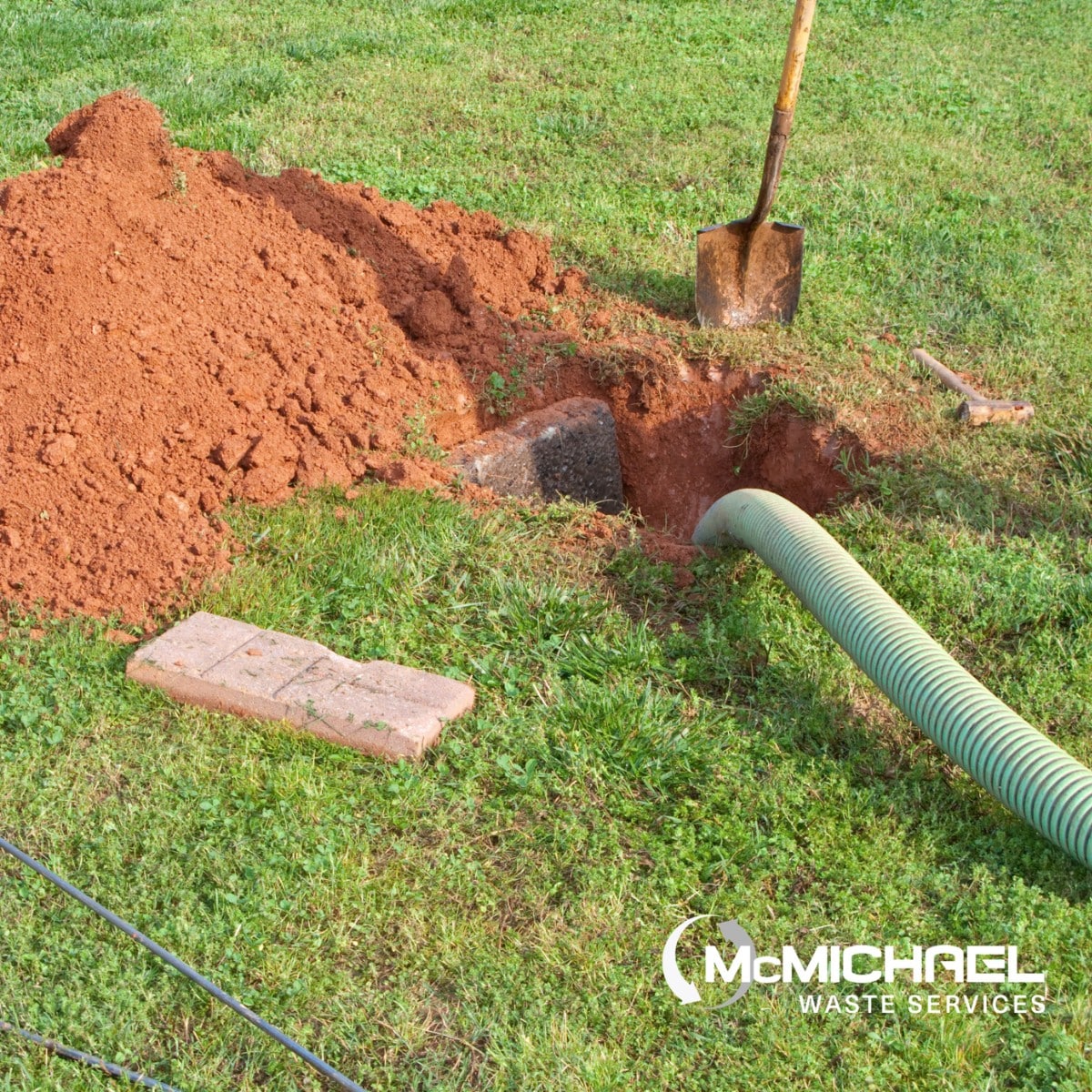
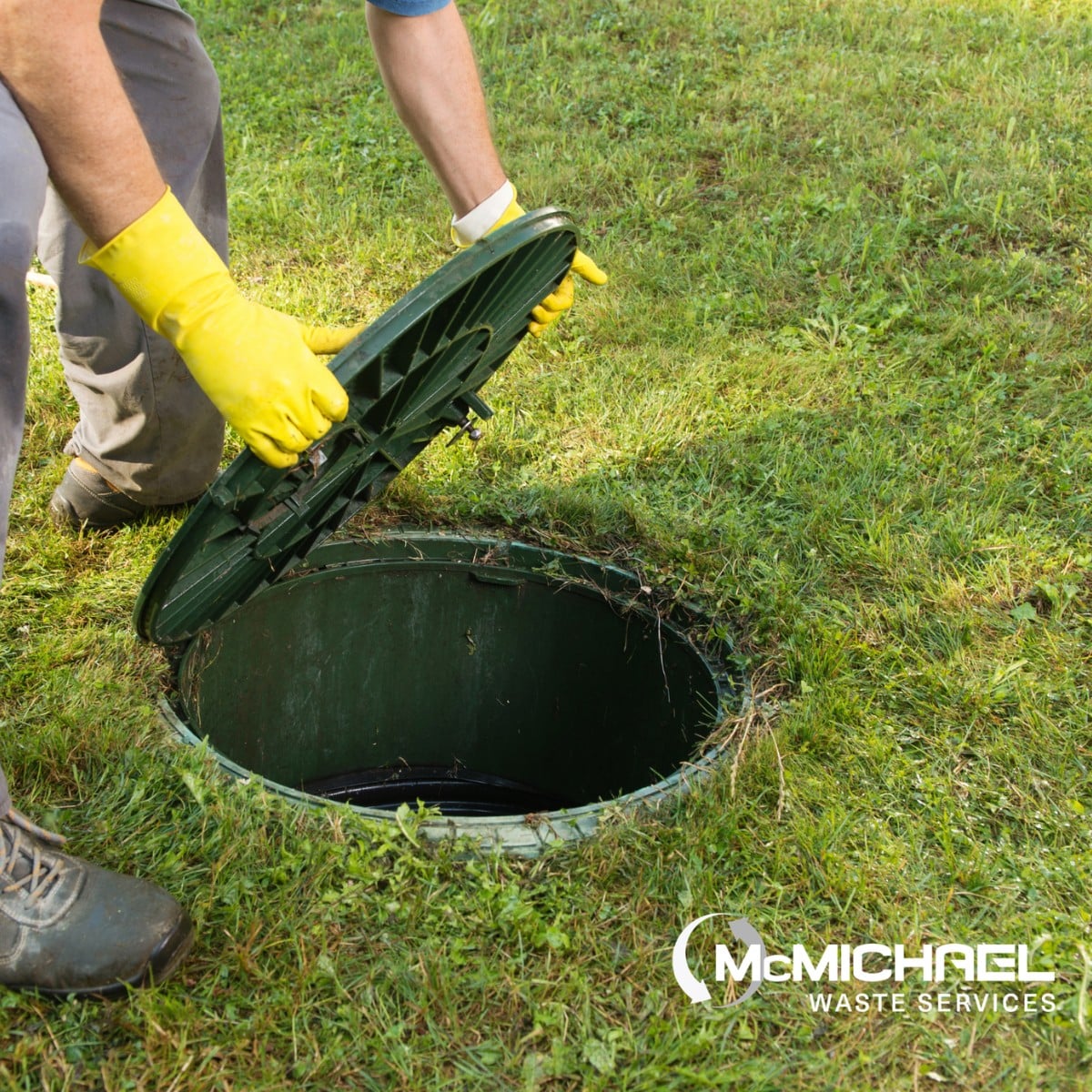
During septic pumping, a technician opens the tank access lid and inspects the tank. A vacuum pump truck removes the accumulated waste inside the tank. After pumping, the technician ensures the tank is properly sealed and checks for potential system issues.
Will septic pumping damage my yard?
No. Professional septic pumping is designed to be minimally disruptive. Technicians carefully access the tank and complete the service while protecting the surrounding yard as much as possible.
Will you help locate my septic tank if I don't know where it is?
Yes. Many homeowners are unsure where their septic tank is located. Our technicians can assist with locating the tank access before pumping service begins.
What happens if a residential septic tank is never pumped?
If a septic tank is not pumped regularly, solid waste builds up inside the tank and eventually enters the drain field. This can cause sewage backups, foul odors, and expensive damage to the septic system.
How do I maintain a residential septic system?
Proper septic maintenance includes regular pumping, avoiding harmful materials in drains, limiting excess water usage, and scheduling inspections when needed.
What should I avoid flushing into a septic system?
Do not flush wipes, grease, paper towels, hygiene products, diapers, chemicals, or non-biodegradable materials. These items can clog pipes and prevent the septic system from functioning properly.
Can heavy rain affect a residential septic system?
Yes. Heavy rainfall can saturate the soil around the drain field and slow the system’s ability to absorb wastewater. This can temporarily cause slow drains or backups.
How do I know if my septic drain field is failing?
Signs of drain field problems include standing water in the yard, strong sewage odors outside, unusually green grass over the drain field, or wastewater backing up into the house.
Can too much water overload a septic system?
Yes. Excessive water use from laundry, long showers, or leaking fixtures can overload the septic system and prevent it from processing wastewater properly.
Do garbage disposals affect septic tanks?
Yes. Garbage disposals increase the amount of solid waste entering the septic tank, which can cause the tank to fill faster and require more frequent pumping.
Can tree roots damage septic systems?
Yes. Tree roots naturally seek moisture and can grow into septic pipes or tanks, causing blockages and system damage if left untreated.
Can I drive or park over my septic tank?
No. Driving vehicles or heavy equipment over septic tanks or drain fields can damage underground components and compact soil, which affects drainage.
What should I do if sewage backs up into my house?
Stop using water immediately and contact a septic professional as soon as possible. Continued water use can worsen the backup and increase property damage.
Do septic systems require inspections?
Yes. Septic systems should be inspected periodically to ensure the tank, pipes, and drain field are functioning correctly. Inspections are often recommended when purchasing a home or before major repairs.
How big are most residential septic tanks?
Most residential septic tanks range from 1,000 to 1,500 gallons, though larger homes may have larger systems.
Can septic systems freeze in winter?
Freezing septic systems are uncommon in Alabama but can occur during extended cold periods if pipes are exposed or insulation is inadequate.
Do you provide septic pumping for residential and commercial properties?
Yes. McMichael Waste Services provides septic pumping for residential homes, commercial properties, construction sites, and multi-property locations throughout Northeast Alabama.
Do you offer emergency septic pumping?
Yes. If you are experiencing a septic backup or urgent system issue, contact our team and we will work to schedule service as quickly as possible.
Do you provide septic tank installation if a system fails?
Yes. If a septic system requires replacement, our team also provides professional septic tank installation services.